

The Struggling London Flat?
The FT recently reported that a greater share of London homes are selling at a loss compared to any other region in England and Wales, with flats faring the worst.
Over the past few years, several clients’ flat purchases have been secured at a 5-15% reduction of what the seller paid in the previous decade – and that is before factoring in Stamp Duty and other purchase costs. There is not a single culprit for this relative underperformance. Service charges which have recently outpaced inflation have put considerable downward pressure on prices. This has been compounded by many private landlords selling up. Holding a low-yielding burdened by increasing regulatory requirements makes less sense now that interest rates are no longer hovering near zero. Investors are either looking North for better returns or exiting the market altogether.
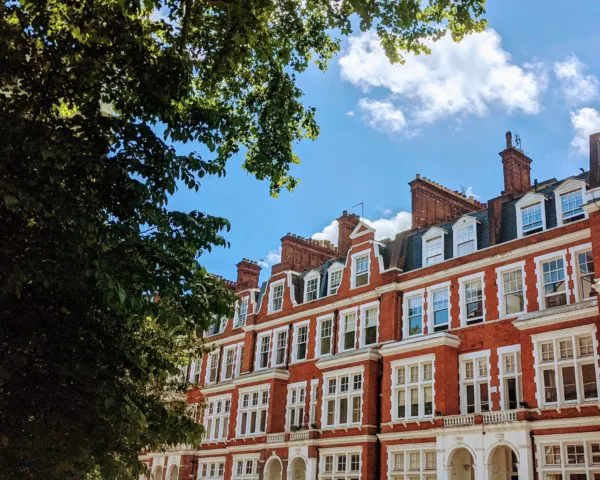
However, London is made up of thousands of submarkets and the true picture is more nuanced. Flats in certain outer prime areas less dependent on international buyers (Islington, Hampstead etc.) have fared noticeably better. The best 5% with genuine scarcity value are still setting price records on their streets. We recently viewed an Islington flat in a terraced period conversion which had 36 viewings in the first two weeks.
It is still possible to buy a flat in London and sell at a profit but you have to be particularly careful when analysing the tenure, value of the service charges and performance of the wider area.
The Value of Impartiality
In addition to our full Buying Service, we offer a ‘Negotiation Only’ service for those confident they have already identified a property they want to buy.
On one recent instruction, we identified several issues indicating a negligent freeholder which was later supported by our online research. We strongly recommended the client against making an offer. They later came back to us with a far superior property which they ultimately purchased.
This highlights the importance of being represented by someone with a defensive mindset and not ‘deal driven’.
Ground Rent Cap – Tread with Caution
Labour announced they will cap annual ground rents at £250.
This would be welcome news to leaseholders but it may be subject to legal challenges from freeholders. Therefore as with other hasty government proclamations on leasehold reform, potential buyers of leasehold property would be wise to offer on the basis of the status quo.

London Housebuilding Collapses
London currently has a modest target of delivering 88,000 new homes per year. Last year construction started on just 6% of this target – the lowest since records began. The UK’s burdensome planning environment makes it one of the hardest places to build a home in Europe. Post-Grenfell fire safety requirements have added significant regulatory and construction costs to developers while the previous ‘affordable housing’ quotas put a significant strain on developer profit margins.
What are the implications of a shrinking new build pipeline? Due to our earlier comments about the flat market, we would not expect a huge spike in demand for the few new builds which will be completed and will likely have higher than average service charges. Best-in-class new build developments in areas with very limited available land and dominated by period stock will still attract a premium – even if the service charges are in excess of £20,000 p.a. Marylebone Square and Chelsea Barracks are two standout examples which have commanded huge premiums for their respective areas.
We highly recommend those seeking a new build to focus on second-hand stock in buildings with an established sales and management record. We have previously covered London’s new build and off plan market in more detail here.
